July 30, 2026
Every neighborhood has its own pest personality. A home near the coast deals with different invaders than a property tucked against open hillside, and a downtown apartment building faces entirely different pressures than a suburban house with a big backyard. That's why a one-size-fits-all approach to pest control rarely works. A skilled pest exterminator studies the specific conditions of your area, from climate and soil type to nearby vegetation and building age, before recommending any treatment. Understanding how these local factors shape pest behavior is the first step toward lasting protection for your home.
Understanding Why Location Shapes Pest Behavior
Pests don't choose where they live at random. They follow food, water, shelter, and temperature, which means the specific mix of species in your area depends heavily on your local geography and climate. A property near a creek bed or canyon will likely see more ants, spiders, and rodents seeking moisture and cover, while a home surrounded by pavement and manicured lawns may attract a different set of intruders altogether. A knowledgeable pest exterminator takes note of these environmental cues during an inspection, looking at soil moisture, vegetation density, and even the direction a home faces, since sun exposure affects which pests are drawn to a structure. This groundwork matters because it determines which entry points, nesting sites, and food sources are most likely to be active on your specific property, allowing treatment to target root causes rather than just visible symptoms.
Identifying the Pests Common to Coastal Communities
Homes near the coast often deal with humidity-loving pests that thrive in salty, moist air. Ants, silverfish, and spiders are frequent visitors in these areas, drawn to the damp crawlspaces and shaded corners that coastal humidity tends to create. Termites can also be more active in these zones, since consistent moisture softens wood and makes it easier for colonies to establish themselves undetected. A pest exterminator familiar with coastal conditions will often recommend treatments for ant control, spider control, and silverfish pest control together, since these species tend to show up in overlapping locations around a coastal property. Addressing humidity control alongside chemical treatment is often part of a smart, long-term strategy in these environments, helping prevent the conditions that keep drawing pests back.
Addressing Challenges Unique to Urban and Suburban Properties
Densely built neighborhoods create their own set of pest pressures. Shared walls, close-set buildings, and heavy foot traffic make it easier for pests to travel between properties, and cockroaches, flies, and rodents are especially common in these settings. Restaurants, trash collection areas, and older infrastructure can all contribute to pest pressure that spreads quickly from one building to the next. According to PestPac, over half of Americans, specifically 57%, reported dealing with ants, spiders, or cockroaches inside their homes within just the past year, a statistic that underscores how widespread these urban and suburban pest issues really are. A pest exterminator working in these environments often combines cockroach pest control with broader exclusion work, sealing gaps around pipes, vents, and foundations to reduce the chances of pests migrating in from neighboring units or nearby commercial spaces.
Managing Seasonal Shifts in Pest Activity
Pest pressure changes throughout the year, and different regions experience these shifts on their own timelines. Warmer months often bring increased activity from wasps, mosquitoes, and ants, while cooler seasons can push rodents and spiders indoors in search of warmth and shelter. Understanding these local seasonal patterns allows a pest exterminator to time preventative treatments before infestations take hold rather than reacting after pests have already settled in. Seasonal pest control plans typically account for outdoor treatments in spring and summer, followed by exclusion-focused work in fall to block entry points before winter. Lawn treatments, tree care, and outdoor perimeter work all play a role in this seasonal rhythm, since untreated yards and landscaping often serve as staging grounds for pests before they move toward a home's interior.
Protecting Homes From Wood-Destroying Organisms
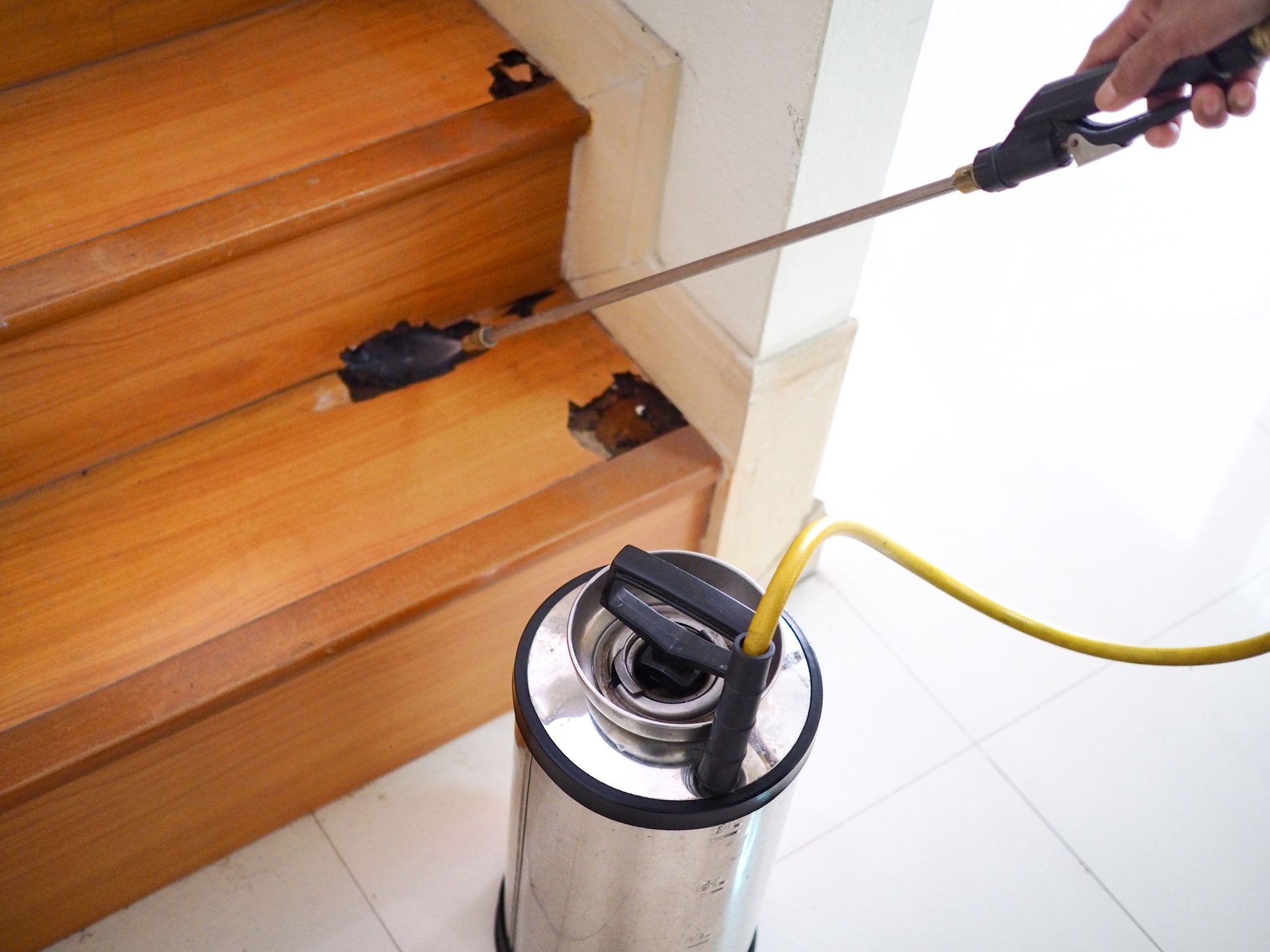
Few pest issues carry the same financial weight as damage from wood-destroying organisms. Termites, in particular, can cause significant structural harm long before homeowners notice any visible signs, which is why regular inspections matter so much in termite-prone regions. Local soil composition, humidity levels, and the age of surrounding construction all influence how likely a property is to face termite activity. A pest exterminator trained in identifying wood-destroying insects will look for mud tubes, hollowed wood, and other subtle indicators during a thorough inspection, then recommend appropriate next steps such as termite baiting or targeted treatment. Because termite damage often intersects with real estate transactions, documentation from these inspections can also support escrow processes, giving buyers, sellers, and lenders confidence in a property's structural condition.
Handling Wildlife Intrusions in Residential Areas
Properties near open space, hillsides, or greenbelts often deal with wildlife pressures that urban-core homes rarely encounter. Rodents, squirrels, and other wildlife can find their way into attics, crawlspaces, and garages, especially as development pushes closer to natural habitats. These intrusions require a different skill set than typical insect treatment, since humane removal and exclusion techniques are essential for both effectiveness and safety. A pest exterminator addressing wildlife concerns will typically pair rodent control with exclusion services, sealing entry points after removal to prevent repeat intrusions. This combination of removal and prevention is particularly important in areas where wildlife populations are dense, since simply removing one animal without closing off access often leads to another taking its place within weeks.
Recognizing the Value of Ongoing Pest Prevention
Pest control isn't a one-time event; it's an ongoing relationship between a property and the professionals who protect it. Conditions change with the seasons, nearby construction, and even weather patterns, so a plan that works well one year may need adjustments the next. Scheduling regular check-ins with a pest exterminator helps catch small issues before they become larger infestations, and it keeps treatment strategies aligned with a property's evolving needs. Homeowners who commit to ongoing prevention, rather than waiting for visible problems to appear, typically spend less over time and experience far fewer disruptive surprises.
Building a Customized Pest Management Plan
The real value of working with a professional lies in how all these regional factors come together into a single, coordinated plan. Rather than applying generic treatments, an experienced pest exterminator considers a property's location, climate, construction age, and surrounding landscape before recommending a course of action. This might mean combining insect control with seasonal outdoor treatments, or pairing wildlife exclusion with ongoing monitoring for wood-destroying organisms. Integrated pest management approaches are especially useful here, since they emphasize prevention and long-term monitoring alongside direct treatment. Working with professionals who understand these regional nuances ensures that treatment plans address the actual conditions on a property rather than relying on assumptions that may not apply locally. This tailored approach tends to produce more lasting results, since it targets the specific pressures a home actually faces rather than a generalized list of common pests.
Every property faces its own combination of pests based on where it sits, how it's built, and what surrounds it. Recognizing these regional differences is exactly why professional guidance matters so much, since local knowledge often makes the difference between a temporary fix and a lasting solution. If you're ready to protect your home with a plan built around your specific location and pest pressures, we invite you to reach out to MANNvsPEST for a personalized assessment and a treatment strategy designed to keep your property protected year-round.