October 15, 2026
Living in a comfortable home should provide peace of mind, relaxation, and complete safety for everyone inside. However, unwanted critters can quickly disrupt that sanctuary and transform a pleasant living environment into a frustrating nightmare. Dealing with creeping insects, damaging rodents, and secretive invaders requires a thoughtful strategy that goes far beyond temporary fixes. Effective pest control involves understanding how these nuisance creatures operate, why they are attracted to human dwellings, and how to create lasting barriers against them. By taking proactive measures, homeowners can protect their structural investments while maintaining a hygienic atmosphere. Embracing comprehensive preventative methods ensures that living spaces remain secure, clean, and completely free from unwelcome animal or insect visitors.
Identifying Common Household Invaders
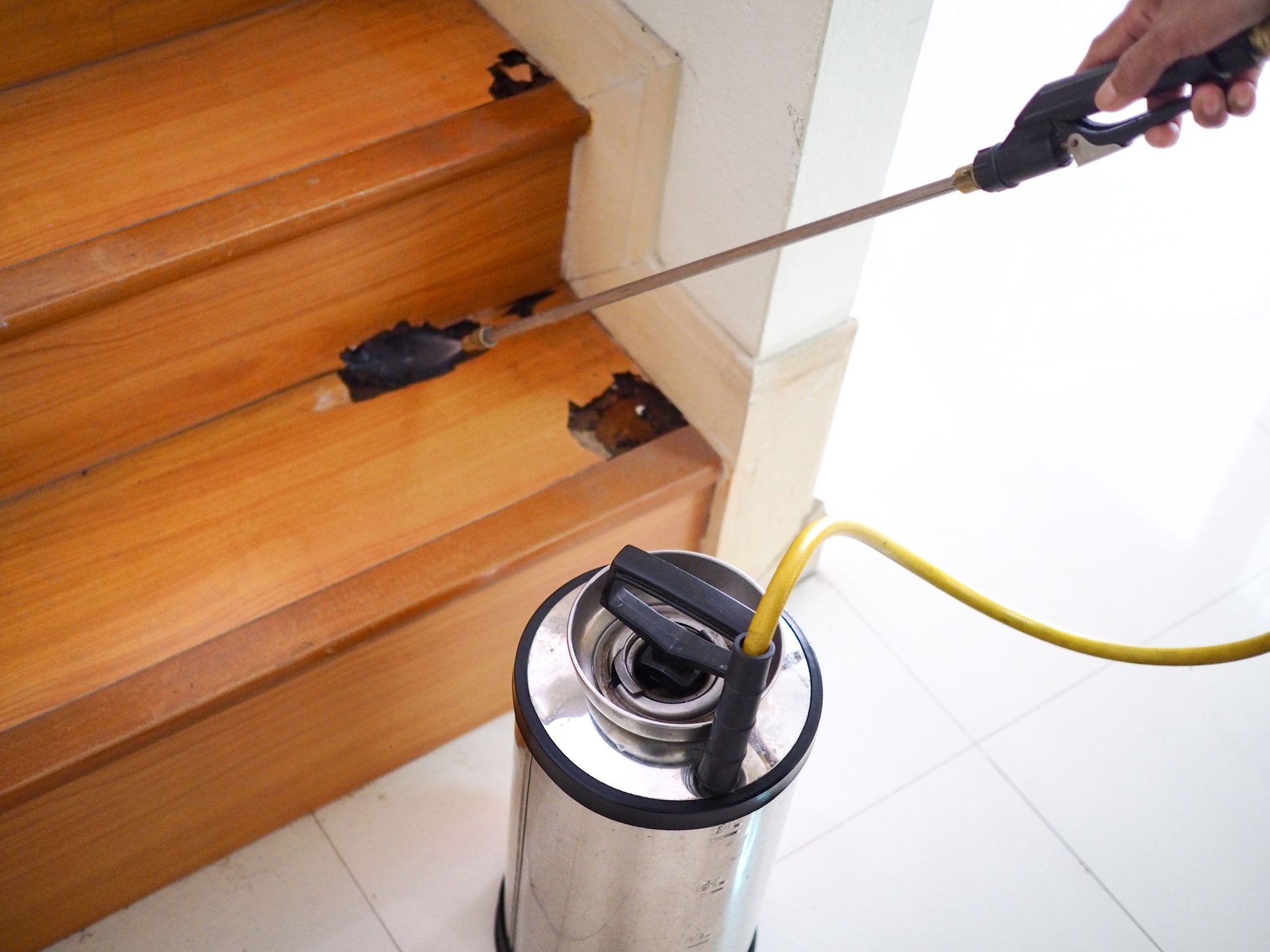
Recognizing the specific type of creature entering a living area represents the crucial primary step in resolving any home invasion. Different species exhibit distinct behaviors, nesting habits, and dietary preferences that dictate how they interact with human habitats. Ants frequently wander through kitchen counters in search of sugary residues, while mice prefer quiet spaces behind walls where warmth and insulation abound. Termites present a particularly silent threat because they consume structural wood from the inside without showing immediate external warning signs. According to Workwave, termites cause over $5 billion in property damage annually, with more than 600,000 homes facing infestations each year. Identifying these signs early prevents catastrophic damage to building structures.
Observing subtle physical indicators often reveals an active infestation long before the actual creatures become visible during daylight hours. Small droppings in cupboards, chewed electrical wiring, shredded cardboard packaging, and unusual lingering odours all signal the presence of unwanted residents. In addition, mysterious mud tubes along foundation walls or small piles of discarded wings near window sills suggest wood destroying insects are actively colonizing the premises. Understanding these subtle visual cues empowers homeowners to take rapid action before populations multiply beyond manageable levels. Selecting targeted treatments based on accurate species identification ensures that pest control efforts remain efficient, precise, and completely successful over time.
Securing Vulnerable Property Entry Points
Blocking access routes around the exterior perimeter serves as a primary line of defense for maintaining a secure living environment. Small insects can squeeze through microscopic gaps around window frames, while rodents can compress their bodies through openings no larger than a tiny coin. Inspecting foundation walls, exterior siding, and utility pipe penetrations reveals numerous small gaps that welcome unwanted visitors indoors. Applying durable weather stripping along door thresholds and sealing exterior cracks with high quality silicone caulk effectively seals these hidden entryways. Replacing damaged window screens and installing mesh covers over chimney flues further reinforces structural barriers against airborne insects and opportunistic mammals seeking shelter inside.
Maintaining garage doors and basement accesses remains equally critical because these lower areas offer easy access points for crawling critters. Garage door bottom seals often degrade over time due to weather exposure, leaving wide gaps that invite beetles, spiders, and field mice into storage spaces. Installing heavy duty rubber door sweeps along bottom edges creates an airtight barrier that prevents unwanted entry. Furthermore, inspecting attic vents and soffits ensures that rooflines remain protected against squirrels and bats looking for warm nesting areas. Comprehensive sealing strategies drastically reduce reliance on chemical interventions by physically preventing access, making this structural maintenance approach an indispensable element of holistic pest control management.
Eliminating Attractants and Moisture Sources
Removing food and water sources forces unwanted critters to search elsewhere for survival necessities. Unsealed trash cans, exposed pet food bowls, and unwashed dishes sitting in sinks act as open invitations for hungry insects and scavenging rodents. Storing pantry staples like flour, cereal, and sugar in airtight glass or thick plastic containers prevents pantry pests from contaminating kitchen items. Cleaning countertop crumbs daily, sweeping dining room floors after meals, and taking trash out regularly deprives foraging pests of convenient meals. Consistent kitchen sanitation creates an inhospitable environment for invaders, ensuring that foraging scouts find nothing of value when exploring human living spaces.
Addressing excess moisture throughout the home proves equally important because nearly all household invaders require reliable water sources to thrive. Leaky plumbing pipes under sinks, dripping outdoor spigots, and clogged air conditioner condensate lines create humid microclimates that attract cockroaches, silverfish, and wood destroying beetles. Using dehumidifiers in damp basements and ensuring adequate ventilation in bathrooms eliminates excessive humidity that encourages fungal growth and insect reproduction. Fixing plumbing leaks promptly deprives unwanted visitors of hydration while preserving structural timber from rot and decay. Combining rigorous sanitation practices with moisture management provides a powerful framework for long term pest control success.
Maintaining Outdoor Landscapes and Perimeters
Managing the surrounding landscape plays a pivotal role in preventing structural infestations before they ever reach outer walls. Overgrown tree branches touching rooflines act as natural bridges for squirrels, ants, and spiders seeking access to upper levels of a dwelling. Trimming vegetation back several feet from outer walls creates a clear buffer zone that discourages crawling creatures from approaching structural foundations. Dense ground cover and thick layers of organic mulch installed directly against foundation walls retain moisture and offer ideal nesting grounds for opportunistic insects. Replacing organic mulch with decorative gravel or crushed stone near building foundations creates a dry barrier that discourages burrowing activity.
Proper outdoor storage practices further protect the immediate yard area from becoming a breeding ground for unwanted wildlife. Storing firewood directly on the ground near exterior walls provides perfect shelter for wood boring beetles, termites, and rodents. Elevating firewood stacks off the soil and placing them away from living structures eliminates cozy harborage sites. Additionally, removing standing water from clogged gutters, bird baths, and decorative garden containers stops mosquito breeding cycles before larvae mature into biting adults. Maintaining a clean outdoor space significantly lowers overall pest pressure around the building, providing an essential foundation for effective pest control strategies.
Adopting Sustainable Long Term Safeguards
Establishing routine inspection schedules helps homeowners detect potential vulnerabilities before minor issues escalate into major infestation crises. Inspecting attic spaces, crawlspaces, and dark basement corners seasonally allows property owners to notice early indicators like chewed insulation or droppings. Monitoring seasonal changes in weather also prepares residents for predictable migration patterns, such as rodents seeking indoor warmth during colder autumn months or ants searching for water during dry summer spells. Being proactive means fixing minor structural wear, clearing debris, and updating sealants before pests discover vulnerable entryways. Consistent vigilance reduces emergency treatments and ensures continuous protection for the entire property.
Integrating proactive habits into everyday domestic routines creates a self sustaining defense mechanism against unwanted animal visitors. Educating household members about closing doors promptly, storing food properly, and reporting early signs of activity fosters a shared commitment to home protection. Professional guidance often enhances these domestic efforts by delivering specialized treatments and detailed property evaluations tailored to specific geographic challenges. Combining disciplined homeowner habits with professional oversight creates a resilient defense system that preserves health and structural integrity over time. Implementing systematic preventative practices remains the smartest choice for achieving permanent peace of mind through professional pest control solutions.
A secure and comfortable home requires proactive attention, proper sanitation, and routine structural maintenance to keep unwanted invaders at bay. By identifying early warning signs, sealing subtle exterior entryways, eliminating moisture sources, and managing outdoor landscapes, property owners can protect their living spaces effectively. Maintaining these preventative routines protects valuable structural investments and fosters a healthy, hygienic environment for family members and guests alike. Establishing a reliable defense system ensures lasting peace of mind and frees households from the stress of recurring infestations. If you are interested in protecting your property and enjoying a comfortable living space once again, please feel free to contact MANNvsPEST.