June 23, 2026
Modern property management demands a delicate balance between preserving structure and protecting life. Historically, safeguarding real estate from biological invasions meant deploying heavy chemical barriers, saturation spraying, and utilizing persistent toxins that lingered in the soil and indoor air long after application. Today, a profound shift in consumer expectations, environmental awareness, and health guidelines reshapes the industry. The preservation of an asset no longer stops at the structural perimeter; it extends directly to the biological health of the ecosystem surrounding and inside that building. Property managers increasingly look toward sustainable practices to mitigate biological threats without introducing secondary chemical hazards to residents, pets, or local waterways.
Maintaining a multi-unit residential complex, an expansive commercial plaza, or a single-family rental portfolio introduces continuous maintenance challenges. Biological invaders compromise structural elements, diminish indoor air quality, and degrade the tenant experience. Traditional management approaches frequently relied on reactive, high-volume chemical eradication strategies that temporarily cleared issues but left long-term chemical legacies. By pivoting toward ecologically conscious management methodologies, property supervisors ensure that modern structures remain safe, habitable, and sustainable for generations to come.
Protecting Structural Integrity From Destructive Pests
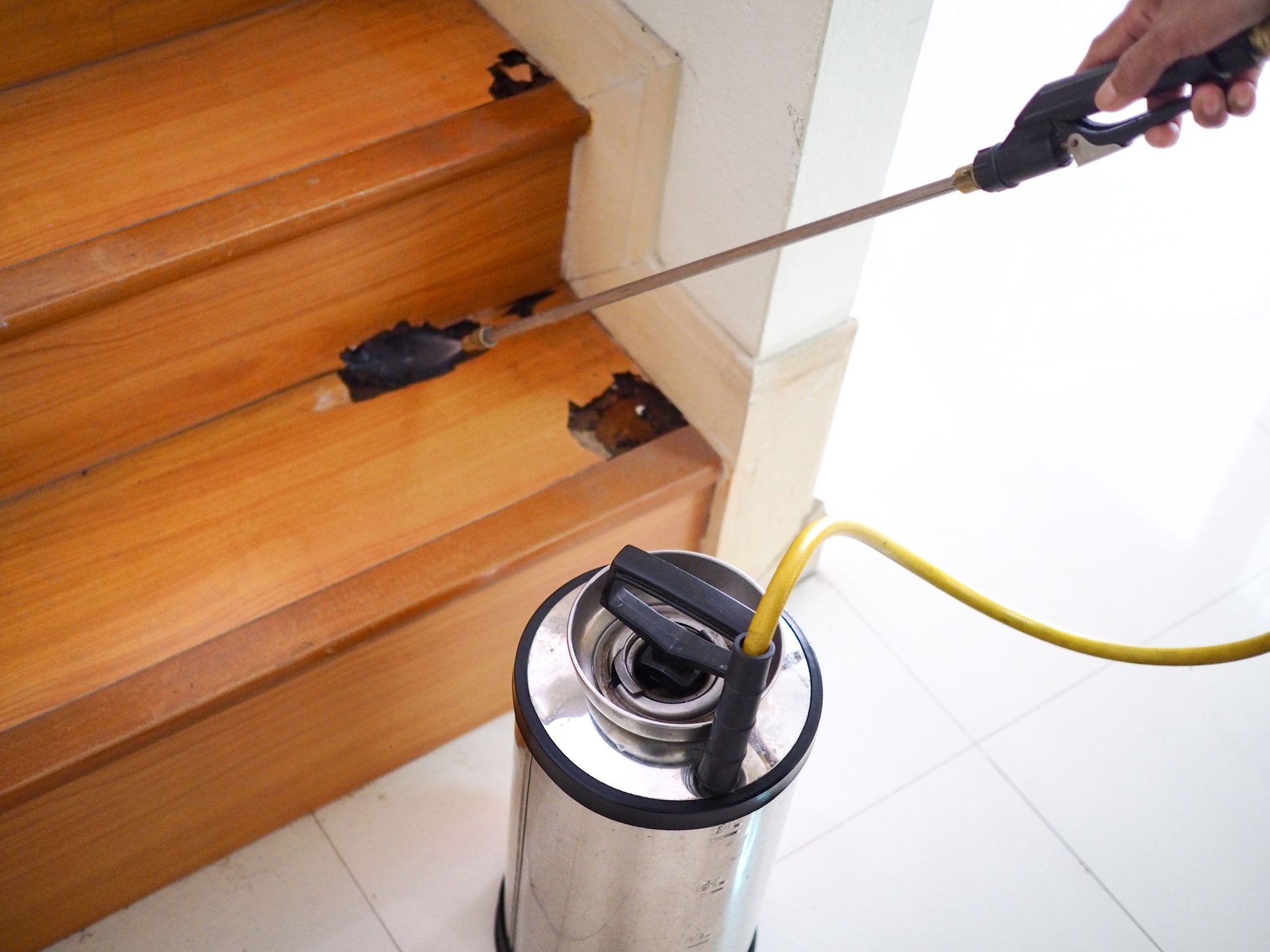
Wood-destroying insects present a continuous threat to the foundational elements of modern real estate. Left unmonitored, these organisms silently hollow out structural beams, wall studs, and subflooring, transforming solid investments into hazardous liabilities. Traditional remediation frequently involved saturating surrounding soil with broad-spectrum liquid formulas designed to persist for decades, creating chemical halos that threatened local groundwater networks. Eco-friendly pest control companies approach this vulnerability differently, employing targeted biological knowledge, localized physical barriers, and targeted baiting systems that intercept wood-boring threats before they compromise a building. This targeted methodology stops structural degradation without broad-spectrum environmental saturation.
The financial scale of structural degradation highlights the critical need for early, precise intervention by specialized providers. According to Workwave, termites cause over $5 billion in property damage annually, with more than 600,000 homes facing infestations each year. Mitigating these massive systemic risks requires reliable, proactive oversight rather than waiting for structural failures to manifest. Sustainable specialists emphasize regular structural inspections, moisture reduction techniques, and non-toxic physical barriers to eliminate the precise environmental conditions that wood-boring insects require to thrive. This comprehensive approach protects long-term real estate investments while ensuring the surrounding ecosystem remains completely unharmed by chemical runoff.
Preserving Indoor Air Quality for Residents
The interior atmosphere of a building significantly affects the physical well-being of its occupants. Volatile organic compounds and synthetic airborne residues originating from historical chemical treatments can become trapped within contemporary, tightly sealed ventilation networks. When traditional chemical sprays atomize indoors, particulates settle into carpets, ductwork, and soft furnishings, presenting persistent inhalation risks for vulnerable occupants, children, and domestic animals. Eco-friendly pest control companies prioritize the structural interior by utilizing low-toxicity botanicals, physical exclusion tactics, and mechanical traps rather than relying on broadcast chemical applications. This keeps indoor air clean and completely free from toxic synthetic residues.
By removing heavy chemical burdens from interior living spaces, property managers eliminate primary triggers for chronic respiratory issues, skin sensitivities, and chemical allergies. Eco-conscious professionals carefully investigate the source of an infestation, choosing to seal entry points, eliminate localized moisture, and apply micro-targeted natural compounds only where absolutely necessary. This methodology addresses the root cause of biological incursions while ensuring that the air flowing through common areas, individual units, and office spaces remains pristine, fresh, and thoroughly safe for long-term human habitation.
Implementing Integrated Pest Management Strategies
Sustainable property preservation relies heavily on the foundational framework of Integrated Pest Management. This methodology shifts focus away from continuous chemical eradication, emphasizing prevention, monitoring, and structural modification instead. Professional pest control companies utilizing this system conduct meticulous structural assessments to map entry vectors, locate hidden water accumulation, and eliminate food sources that attract unwanted biological visitors. Rather than automatically spraying when an issue emerges, these specialists establish specific biological thresholds and apply mechanical, cultural, and physical interventions to keep insect and rodent populations well below damaging levels.
Adopting this framework allows property managers to transition away from expensive, repetitive chemical treatment schedules toward permanent structural improvements. Sealing foundation cracks, installing robust door sweeps, updating window screens, and modifying exterior landscape grading effectively creates a highly resilient building envelope. When biological intervention becomes necessary, eco-conscious specialists select precise, low-impact solutions such as targeted boric acid applications, pheromone confusion traps, or botanical oils that selectively eliminate target organisms. This strategic combination minimizes chemical exposure while delivering long-term structural defense.
Reducing Local Environmental Impact and Runoff
Every commercial development or residential community interacts directly with its surrounding watershed and regional ecosystem. Traditional exterior applications often rely on rain-resistant synthetic compounds designed to coat exterior foundations and perimeter landscaping. During heavy rain events, stormwater washes these chemical residues off hardscapes and carries them directly into local storm drains, rivers, creeks, and coastal estuaries. Eco-friendly pest control companies drastically minimize this environmental hazard by avoiding broad-spectrum synthetic perimeter sprays, choosing instead to focus on physical exclusion and localized, natural deterrents that do not threaten regional aquatic life.
Protecting the surrounding landscape ensures that beneficial wildlife, such as native pollinators, predatory insects, and local bird populations, continues to thrive and naturally regulate regional biological pressures. When chemical saturation disrupts local ecosystems, natural predators disappear, often triggering secondary pest resurgences that require even more aggressive intervention. By choosing low-impact, non-toxic alternatives, property supervisors actively preserve the complex ecological balances surrounding their properties, fostering healthier green spaces that enhance overall asset value and community well-being.
Enhancing Tenant Satisfaction and Retention
Modern consumers place immense value on environmental sustainability, health, and transparency. Tenants increasingly inquire about the management practices, maintenance protocols, and landscaping chemical choices utilized within their leased properties. Discovering that a property management team relies heavily on synthetic chemicals can trigger complaints, anxiety, and eventual vacancies among health-conscious residents. Partnering with eco-friendly pest control companies signals a proactive commitment to resident well-being, directly increasing overall tenant satisfaction and encouraging long-term lease renewals across residential and commercial portfolios.
Providing clear communication regarding non-toxic maintenance treatments fosters deep trust between management teams and residents. Tenants appreciate knowing that routine preventive inspections and interventions pose absolutely zero risk to their children, companion animals, or personal belongings.
Ensuring Long-Term Regulatory Compliance
Environmental regulations and local municipal ordinances governing chemical applications grow increasingly restrictive with each passing year. Many jurisdictions now limit or outright ban specific chemical classes due to their long-term persistence in soil and documented hazards to native wildlife populations. Property managers relying exclusively on legacy chemical treatments face continuous compliance risks, potential financial penalties, and unexpected operational disruptions as chemical approvals change. Eco-friendly pest control companies keep portfolios ahead of these shifting legislative frameworks by utilizing treatment methodologies that naturally exceed modern environmental compliance standards.
Embracing green solutions shields property management firms from future liability, chemical contamination claims, and expensive legal challenges. Developing a comprehensive asset management strategy rooted in non-chemical prevention, physical exclusion, and natural botanical interventions guarantees compliance with the most stringent local, state, and federal environmental directives.
True sustainability in real estate management requires a comprehensive alignment of maintenance practices with ecological health. Protecting substantial property assets from biological damage does not demand the sacrifice of indoor air quality, local water safety, or resident health. By partnering with progressive, green service providers, property managers protect structural foundations, elevate living conditions, and preserve regional ecosystems simultaneously. Moving toward non-toxic prevention and integrated structural exclusion represents the future of responsible, profitable, and safe property oversight.